
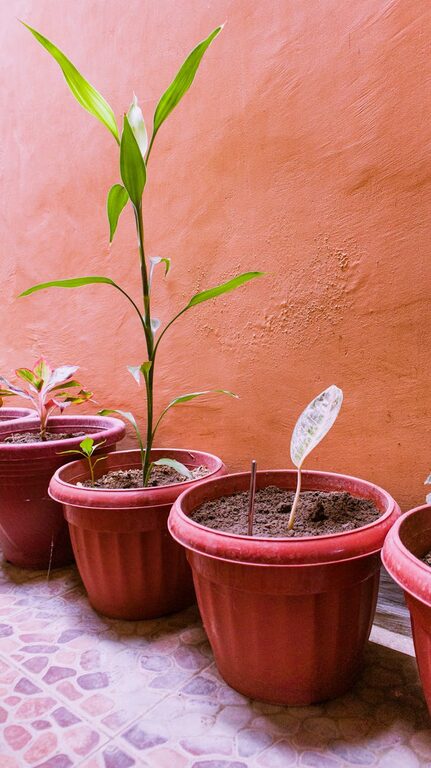
Creating a sustainable home garden that flourishes throughout the year is both a rewarding and environmentally friendly endeavor. Whether you have a small balcony, rooftop space, or a backyard, adopting sustainable practices can help you grow healthy plants, reduce waste, and support local ecosystems. This guide offers practical tips to keep your garden productive and eco-conscious across all seasons.
Why Choose a Sustainable Garden?
A sustainable garden focuses on minimizing environmental impact while maximizing the health and productivity of plants. Such gardens help conserve water, improve soil quality, reduce chemical use, and often attract beneficial wildlife like pollinators. Moreover, growing your own food or flowers year-round reduces your carbon footprint by cutting down on transportation and packaging.
Planning Your Sustainable Garden
Assess Your Space and Climate
Before planting, consider the size of your garden and your local climate conditions. Understanding your growing zone, rainfall patterns, and sunlight availability helps select plants that naturally thrive in your area, reducing the need for extra water or fertilizers.
Choose Native and Drought-Resistant Plants
Native plants are well adapted to your region and demand less maintenance. Drought-resistant varieties can survive dry periods with minimal watering. This reduces water use and supports local wildlife.
Prioritize Diversity
Incorporating a variety of plant species encourages soil health and prevents pest outbreaks. Diverse plants also attract different pollinators and beneficial insects, fostering a balanced ecosystem.
Soil Health and Composting
Use Organic Compost
Enrich your soil with homemade compost made from kitchen scraps, grass clippings, and leaves. Compost improves soil structure, retains moisture, and supplies essential nutrients naturally.
Practice Crop Rotation and Companion Planting
Changing plant families in garden beds each season prevents nutrient depletion and breaks pest cycles. Planting complementary species next to each other, like beans near corn, can improve growth and pest resistance.
Avoid Synthetic Fertilizers and Pesticides
Synthetic chemicals can harm soil microbes, beneficial insects, and contaminate water. Opt for natural pest controls like neem oil, insecticidal soap, or introducing ladybugs.
Water Conservation Techniques
Harvest Rainwater
Install rain barrels to collect and store rainwater for irrigation. Using rainwater reduces reliance on municipal water and lowers your water bill.
Mulch to Retain Moisture
Apply organic mulch such as straw, wood chips, or shredded leaves around plants. Mulch reduces evaporation, suppresses weeds, and adds nutrients to the soil as it breaks down.
Water Wisely
Water plants early in the morning or late in the evening to minimize evaporation. Focus watering on the base of plants rather than leaves to prevent disease.
Year-Round Gardening Tips
Extend the Growing Season
Use cold frames, row covers, or greenhouses to protect plants from frost and grow crops beyond typical seasons. This allows fresh produce or flowers even in colder months.
Plan Seasonal Planting
Create a planting calendar that matches your local climate. For example, sow cool-season crops like lettuce and spinach in early spring or fall, and heat-loving plants like tomatoes and peppers in summer.
Save Seeds
Collect seeds from your healthiest plants to sow in future seasons. Seed saving preserves favorite varieties and reduces the need to buy new seeds annually.
Encouraging Wildlife and Pollinators
Plant Pollinator-Friendly Flowers
Include native flowering plants that bloom at different times to provide nectar and pollen all year. Bees, butterflies, and hummingbirds play crucial roles in your garden’s productivity.
Create Habitats
Add birdhouses, bat boxes, or small ponds to attract beneficial species. These creatures help control pests and promote biodiversity.
Sustainable Garden Tools and Practices
Use Manual Tools When Possible
Hand tools like pruners, garden forks, and spades reduce fossil fuel use compared to powered equipment. They also encourage a closer connection with your garden.
Reuse and Recycle Materials
Repurpose containers, jars, and scrap wood for planters or garden markers. Avoid single-use plastics and seek products made from recycled or sustainable materials.
Troubleshooting Common Challenges
Pest Management
Encourage natural predators and keep plants healthy to resist pests. Handpick insects or use organic sprays when necessary rather than chemical pesticides.
Soil Depletion
Regularly add compost and practice crop rotation to keep soil nutrient-rich and balanced.
Weather Extremes
Use protective covers or move container plants indoors during storms or heat waves. Resilient plant selection helps cope with extreme weather.
Final Thoughts
Building a sustainable home garden is a journey that evolves with each season. It promotes environmental stewardship while yielding fresh, healthy plants to enjoy year-round. By planning wisely, conserving resources, and embracing nature-friendly techniques, you can create a vibrant garden space that benefits both you and the planet.
Happy gardening!